Certified Halal

UIC Halal

Internationally recognized Halal certification services across multiple categories including food products, cosmetics, pharmaceuticals, and supply chain management. Operating throughout Uruguay and Argentina (since 2024) with 27 years of experience and recognition throughout the Arab and Muslim world.

International Standards

Global Recognition

Our certifications comply with major international standards including GSO 2055-2, ISO/IEC 17065, OIC/SMIIC, Malaysian, Indonesian, and UAE standards. Accepted in major Muslim markets worldwide.

Quality Assurance

Comprehensive Certification Process

Our certification process is structured, independent, and technically rigorous, encompassing document review, on-site conformity assessment, and ongoing surveillance. Aligned with internationally recognized Halal requirements and applicable regulatory standards.

Expert Team

Professional Excellence

Highly qualified and experienced professionals who understand the certification process and your needs. We provide valuable benefits to our clients through expertise, ethics, seriousness, and confidentiality.

Halal Certification

The HALAL CERTIFICATION is a declaration emitted by the URUGUAY ISLAMIC CENTER indicating that the product complies with Halal standards and is apt for Muslims to consume anywhere in the world substantiating this through a process of audition and inspection.

The Halal certification is necessary for a great deal of the exportations operation to Muslim countries, that's why it's important to have it to avoid operational problems. Each country has its own regulations regarding this matter and the constituents of the URUGUAY ISLAMIC CENTER are experts in this field giving you peace of mind and security for your company.

Global Halal Market

The global Halal market is one of the fastest-growing sectors in the world, with an estimated value exceeding $2.3 trillion annually and projected to reach $3.2 trillion by 2028. This represents a significant opportunity for businesses seeking to access Muslim-majority markets.

Growing Consumer Base

With over 1.9 billion Muslims worldwide, representing approximately 25% of the global population, the demand for Halal-certified products continues to grow. This includes not only food and beverages but also cosmetics, pharmaceuticals, and logistics services.

Market Expansion

Beyond traditional Muslim-majority countries, Halal certification is increasingly valued by non-Muslim consumers who associate it with quality, safety, and ethical production. This trend opens new market opportunities in Europe, North America, and Asia-Pacific regions.

Export Opportunities

Halal certification is often a mandatory requirement for exporting to many countries in the Middle East, Southeast Asia, and North Africa. With UIC Halal certification, your products gain access to these lucrative markets, ensuring compliance with local regulations and consumer expectations.
Halal Certification Process

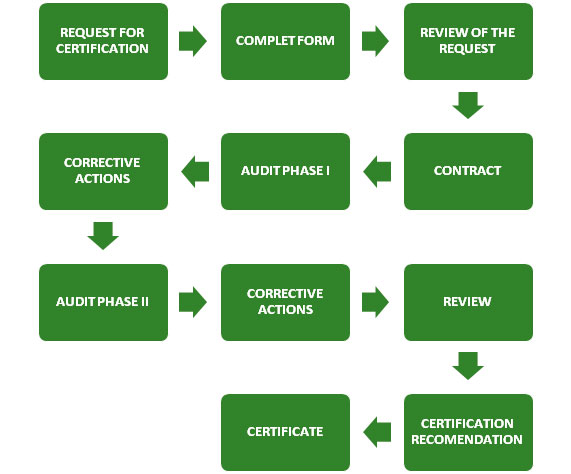
The Halal certification process at the Uruguay Islamic Center follows a comprehensive and systematic approach to ensure that all products meet the highest Halal standards. Our process consists of several key stages, each designed to verify compliance and maintain the integrity of Halal certification.

1 Request for Certification

The process begins when a company submits a formal request for Halal certification. This initial step involves expressing interest in obtaining certification for their products or facilities.

2 Complete Form

Applicants must complete the official certification application form, providing detailed information about their company, products, production processes, and facilities. This documentation is essential for the initial assessment.

3 Review of the Request

Our certification team carefully reviews all submitted documentation to ensure completeness and assess the initial eligibility of the applicant. This preliminary review helps identify any immediate concerns or requirements.

4 Contract

Upon successful initial review, a formal certification contract is established between the Uruguay Islamic Center and the applicant. This contract outlines the terms, conditions, and obligations for both parties throughout the certification process.

5 Audit Phase I

The first audit phase involves a comprehensive on-site inspection of the facilities, production processes, and documentation. Our certified auditors examine all aspects of the operation to verify compliance with Halal standards.

6 Corrective Actions (Phase I)

If any non-conformities are identified during Audit Phase I, the applicant must implement corrective actions to address these issues. This ensures that all requirements are met before proceeding to the next phase.

7 Audit Phase II

The second audit phase is conducted to verify that all corrective actions have been properly implemented and that the facility now fully complies with Halal certification requirements. This follow-up audit ensures quality and consistency.

8 Corrective Actions (Phase II)

If additional issues are found during Audit Phase II, further corrective actions may be required. The applicant must address these concerns to demonstrate full compliance with all Halal standards.

9 Review

All audit findings, documentation, and corrective actions are thoroughly reviewed by our certification committee. This comprehensive review ensures that all standards have been met and that the certification can proceed.

10 Certification Recommendation

Based on the complete review, our certification committee makes a formal recommendation regarding the certification. This recommendation considers all aspects of the audit process and compliance verification.

11 Certificate

Upon approval, the official Halal certificate is issued to the applicant. This certificate confirms that the products and processes have been verified and comply with all Halal standards, enabling the company to use the Halal certification mark.

Halal Certification Process Workflow

Important Information

The entire certification process is designed to ensure transparency, compliance, and quality. Regular monitoring and audits continue after certification to maintain standards.

For detailed information about our certification procedures, please download our Certification Procedure document.

Documents

Certification Procedure

Application Form

Tariffs

Use of the Halal Brand Procedure

Procedure Manual for Use of Marks

Certification Agreement

Additional Resources

List of Approved Halal Standardss

Discover the comprehensive list of internationally recognized Halal standards that UIC adheres to, including OIC/SMIIC, UAE, GCC, Malaysian, Indonesian, and Singapore standards.

View Standards

Use of the Halal Brand Procedure

Learn about the proper guidelines and procedures for using the UIC Halal Certification Mark on your products, packaging, and marketing materials in accordance with international standards.

View Procedure

Accreditations

Halal Singapore
EIACI
SASO
SFDA
Saudi Halal Center
WHFC
JAKIM
Halal Malaysia
Qatar
BPJPH
International